Why Safety Tools For Parents
In today’s world, children are connected earlier than ever, which means parents need modern tools to help protect them. Phone monitoring apps allow parents to spot concerning behavior early—such as unknown contacts, risky conversations, or signs of bullying. GPS trackers like AirTags or similar devices provide peace of mind by helping parents know where their child is, especially in emergencies. Personal alarms give children a simple, immediate way to draw attention if they feel unsafe, while home or wearable cameras can help monitor environments and interactions when appropriate. These tools aren’t about controlling children—they’re about creating layers of protection in a world where risks can happen quickly and quietly.
.How Grooming Typically Starts
Grooming often follows a pattern:
- Friendly contact: The predator reaches out in a harmless way (gaming, social media, chat rooms such as Minecraft, Roblox, Snapchat & Discord are the most dangerous apps for children)
- Building trust: They give attention, compliments, or gifts to make the child feel special. Many game apps have their own "cash" such as Robux on Roblox and predators offer this for personal data, photos. and manipulate children to keep secrets for these gifts. Many times parents are completely unaware until its too late, that's why open communication is so important.
- Creating secrecy: They encourage the child to keep conversations private from parents
- Testing boundaries: Asking for small personal details, then gradually more sensitive content. Many children have been manipulated into sextortion, lewd acts, hurting themselves and even suicide.
- Manipulation: Using guilt, fear, “love” and gifting to control the child. These days manipulation has gotten extremely dangerous with predators not only trying to get information, but hurting the child, and having them hurt other people, animals, friends and their own parents have been part of these predators plots against children & families.
Because this process is gradual, many children don’t realize they’re being manipulated until it’s already progressed.
Practical Tips for Parents
- Keep communication open: Make sure your child feels safe telling you anything without fear of punishment
- Set clear digital boundaries: Know what apps your child is using and who they’re talking to
- Use parental control tools: Monitor activity in a respectful, age-appropriate way
- Teach warning signs: Help your child recognize red flags like secrecy, gifts, or strangers asking personal questions
- Encourage real-world safety habits: Practice what to do if they feel unsafe—yelling, using alarms, or calling for help
- Regularly check in emotionally: Bullying and grooming often show up as mood changes, withdrawal, anxiety, and anger
The Bigger Picture
The goal isn’t to scare children—it’s to empower families with awareness and tools. Technology can expose children to risks, but it can also be one of the strongest lines of defense when used correctly. When parents combine open communication with smart safety tools like phone monitoring apps, GPS trackers, alarms, and cameras, they create a safer environment where children can grow, explore, and stay protected at the same time.
Phone Safety Apps
Phone safety apps can play an important role in helping parents stay aware of their children’s digital environment in today’s online world. These apps can provide features like location sharing, screen time management, and alerts about contacts or online activity, helping parents understand who their children may be communicating with and how they are using their devices. For children and young people, they can also encourage healthier phone habits and safer online choices. While they are not a replacement for open communication and trust, these tools can support families by adding an extra layer of awareness and protection in a world where online risks and influences are constantly evolving.
Personal Alarm's for Children
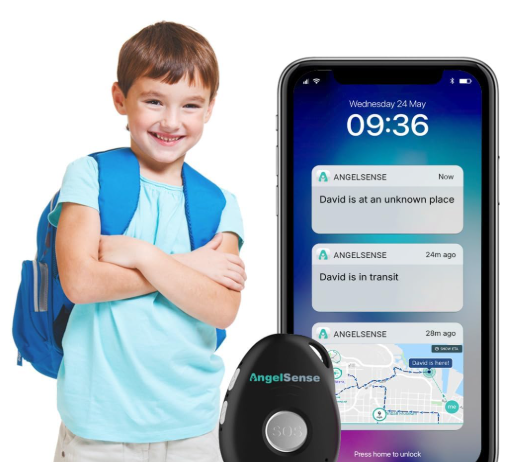
Personal safety alarms are a simple but powerful tool designed to help protect children in emergencies. With the press of a button, these small devices emit a loud, attention-grabbing sound that can startle an attacker and quickly alert people nearby that a child may need help. In today’s world, where children may be walking to school, playing outside, or in crowded public spaces, having a personal alarm adds an important layer of safety and awareness. They are easy to carry, simple to use, and do not require strength or training—making them especially effective for kids. While no tool can guarantee safety, personal alarms can help create critical moments to escape danger and get help faster.
Apple Air Tag's

Apple AirTags can be a helpful tool for parents who want an extra layer of awareness when it comes to their child’s location and belongings. By placing an AirTag in a backpack, jacket, or other personal item, parents can quickly check the location of those items through their phone, which can be especially useful in busy public places, school events, or travel situations. While AirTags are not a replacement for supervision or safety education, they can provide added peace of mind in a world where children may face both offline risks and unpredictable situations in crowded or unfamiliar environments. In today’s world, where safety concerns can arise quickly, having simple tools that improve awareness and response time can make a meaningful difference for families.
Support Our Mission
Your support helps ensure that children in low-income communities can access basic safety tools that they may not otherwise be able to afford. Items like personal safety alarms, educational resources, and other protective devices can make a meaningful difference in helping children stay aware and safe in their daily lives. Many families are focused on covering essential needs like food, housing, and transportation, so safety tools are often out of reach. Donations help bridge that gap by providing resources that support protection, awareness, and peace of mind for both children and their families.